Using Visual Metaphors in Digital Art
If you enjoy exploring creativity, Photoshop and visual storytelling, you'll find more tutorials, articles and creative resources throughout my Learning Hub.
If you've ever looked at a composite image and felt something before you could explain why, you were probably responding to a visual metaphor. It's one of the most powerful tools available to a digital artist, and one of the least talked about, because it isn't a technique you learn in a tutorial. It's a way of thinking that changes what your work can say.
What a visual metaphor actually is
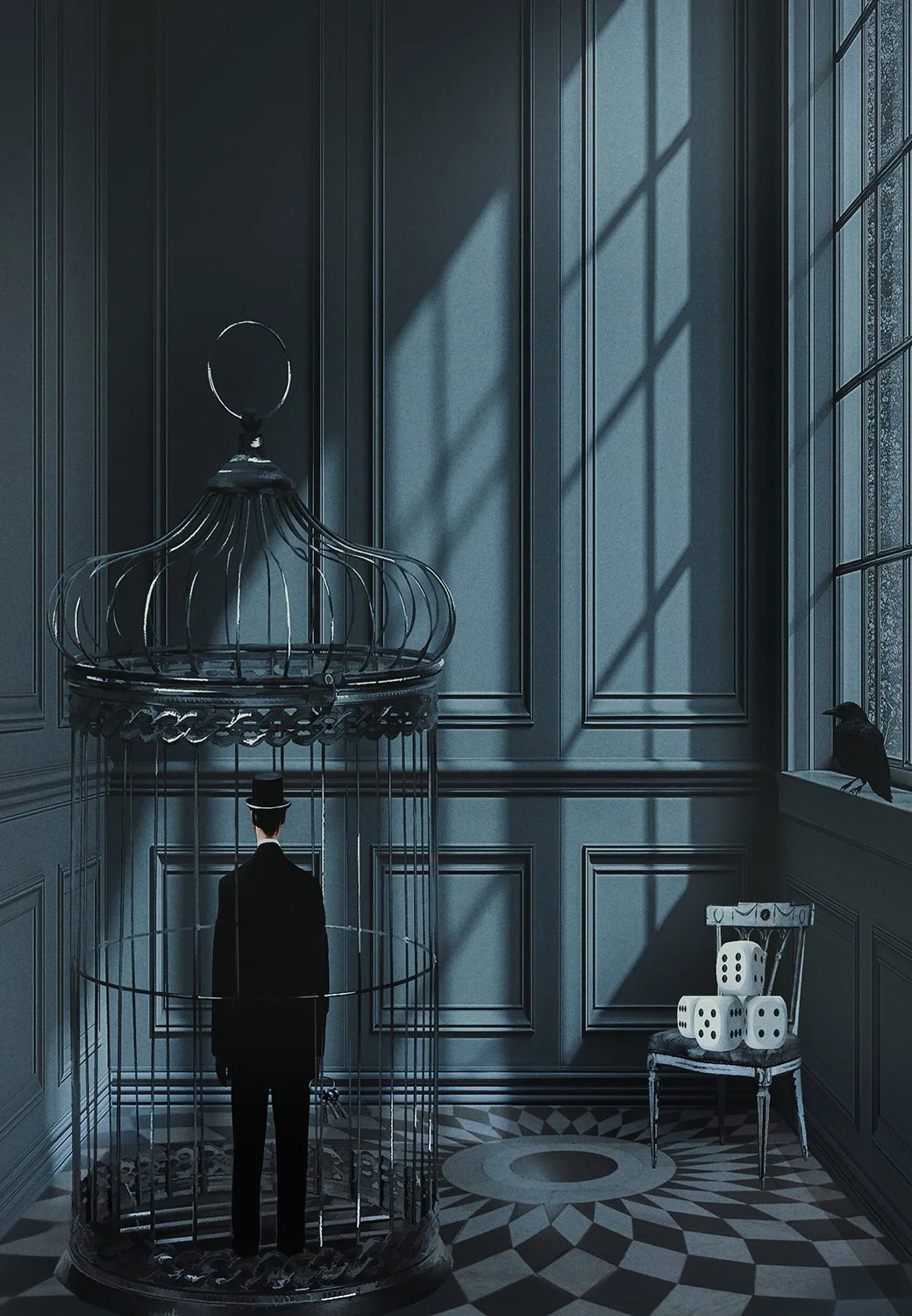
The image explores ideas of confinement and chance, restriction chosen or imposed.
A visual metaphor is an image within that scene that stands in for an idea it isn't literally showing. It's the same move as a metaphor in language, "time is a thief," except instead of words doing the work, a picture does. Put a bird in a cage, and you're not making an image about birds. You're using the cage to say something about restriction, and the bird to say something about the thing being restricted.
It's worth separating this from a symbol. A symbol is usually fixed and agreed-upon, a dove means peace, a skull means death, and most people read it the same way regardless of context. A visual metaphor is more personal and more constructed. It only fully makes sense within the specific image you've built around it. That's what makes it yours rather than borrowed.
Why it's worth exploring as a creative
This is where visual metaphor pays off beyond just "looking clever." Work built around a genuine metaphor gets remembered. It gives a viewer something to sit with, a small puzzle to solve or a feeling to recognise, rather than a nice image that scrolls past in a second. For you as the artist, it changes the process too. Instead of asking "what looks good together," you start asking "what says what I mean," and that question tends to lead to more original, more personal work than reaching for whatever's visually popular.
Start with the feeling, not the object
It's tempting to reach for symbols first. A crow means this. A key means that. But symbols borrowed off a list rarely feel true in your own work, because you didn't arrive at them, you just applied them. Instead, start by naming the feeling or idea you're circling. Containment. Waiting. A held breath. Only once you know what you're trying to say should you go looking for the image that says it.
When I built my bell jar composite (pictured above), I wasn't thinking "I should use a bell jar because it's a classic symbol of preservation." I was thinking about something being kept safe and kept apart at the same time, protected and isolated in the same gesture. The bell jar came after that thought, not before it. The paper flower inside it followed the same logic, something delicate, something made rather than grown, sitting inside that protection.
How to actually use one in your work
Once you've named the feeling, try this:
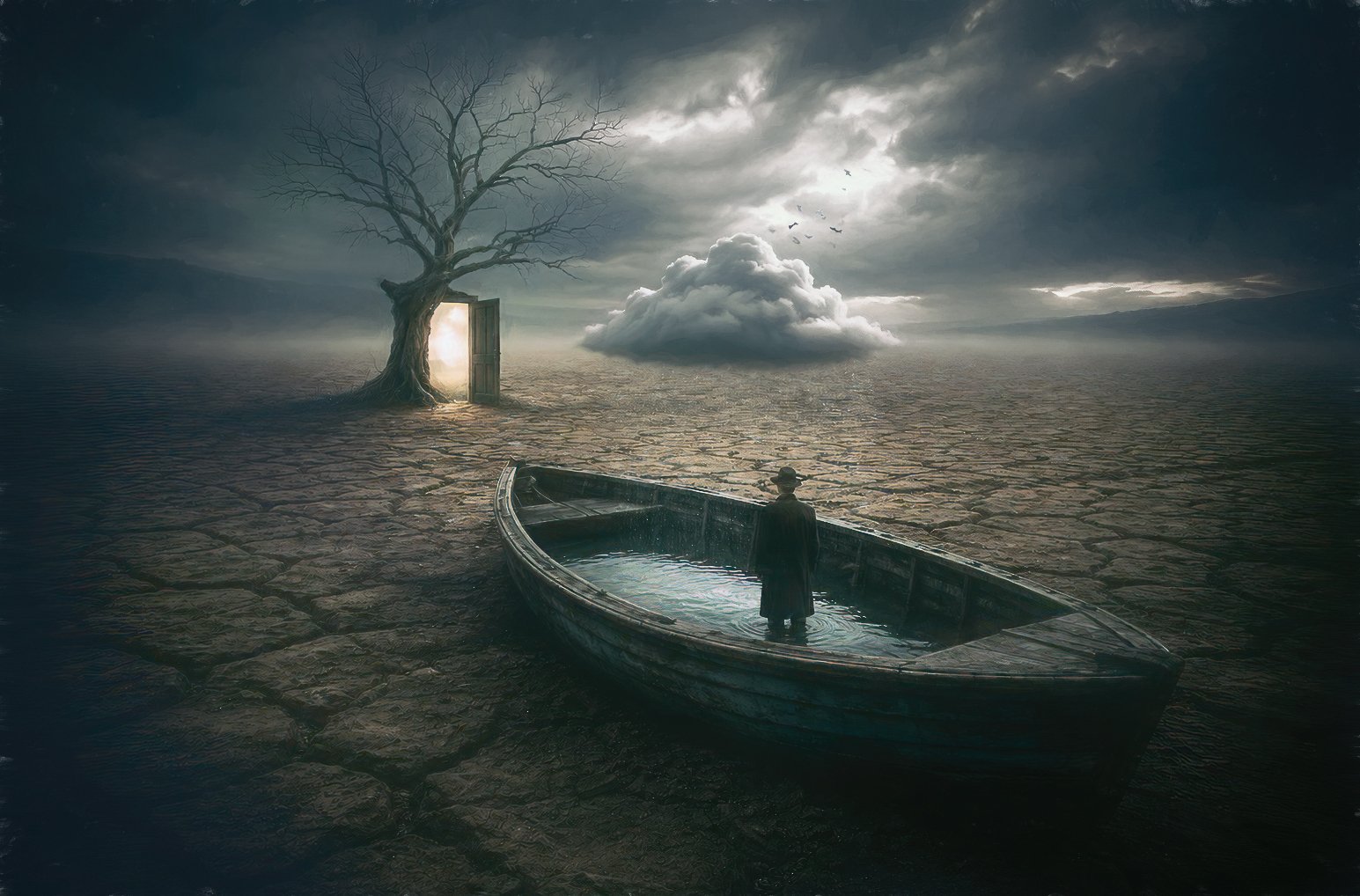
The image plays with contradiction, a boat with nowhere to sail, water contained rather than surrounding, a door offering passage out of a landscape that has nowhere obvious to lead. It's a good example of layering more than one metaphor into a single scene, the boat and the doorway both speaking to different ideas of escape, without either one over-explaining the other.
List three or four objects, scenes or actions that carry that feeling for you personally, not the obvious cultural shorthand.
Pick the one you can explain in a single honest sentence, without reaching.
Build the rest of the composite to support that one idea, rather than layering in extra symbols that dilute it. One clear metaphor beats three competing ones.
Sit with the finished image and ask if it says what you meant, or if you're talking yourself into it because you've already put the work in.
I used this same process with a completely different feeling in an earlier piece, a crow and a set of dice inside a birdcage, working through ideas of chance and confinement rather than preservation. Different objects, same underlying question each time: what am I actually trying to say, and what image says it without words.
Let the metaphor do quiet work
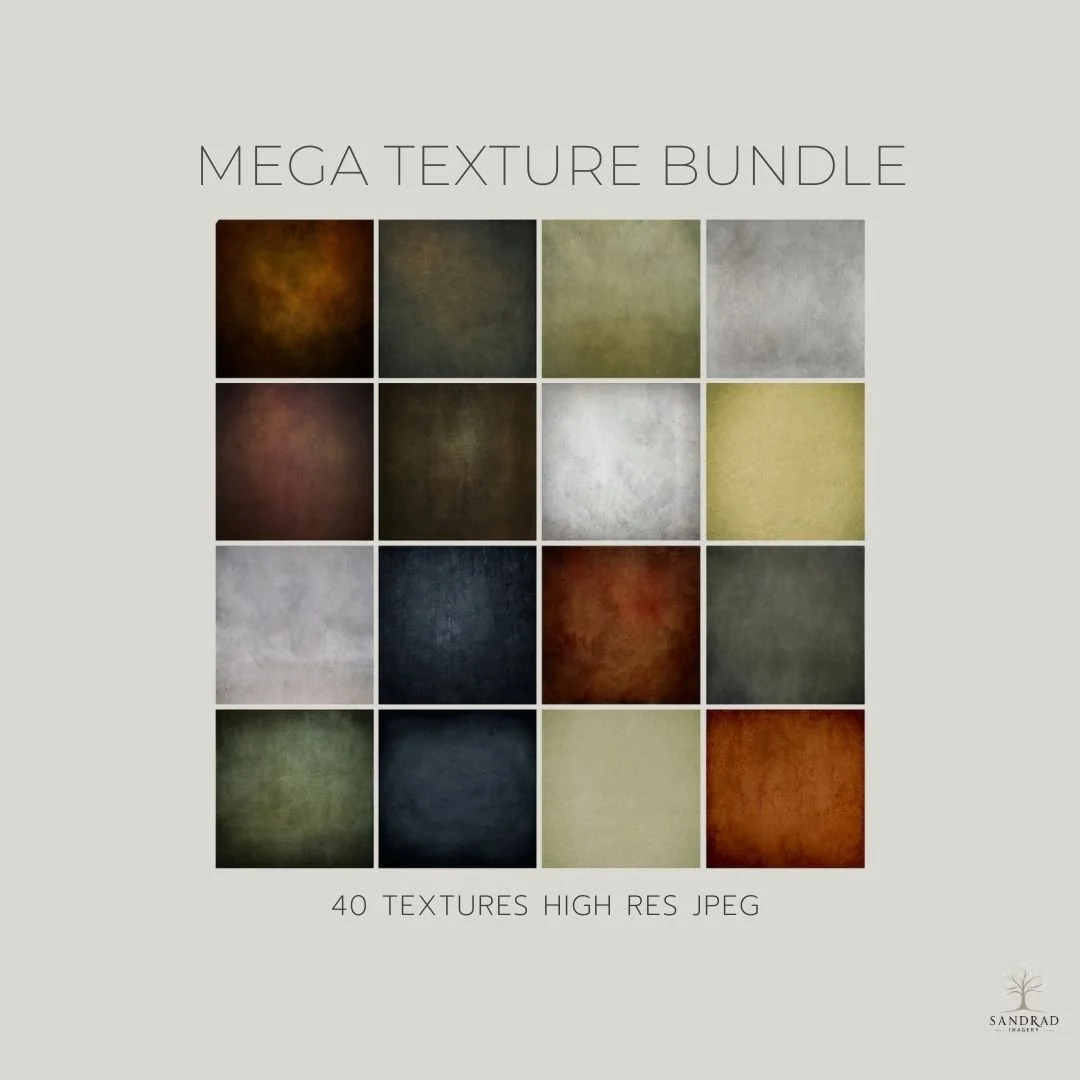
A curated collection of high-resolution textures designed to add mood, depth, and atmosphere to your artwork, giving you versatile options for enhancing stories and refining your creative projects.
The strongest metaphors in composite art rarely announce themselves. They sit in the image and let the viewer arrive at the meaning on their own timeline, sometimes in the first three seconds, sometimes only after they've looked twice. If your metaphor needs a caption to make sense, it's probably not doing its job yet. Push it further or simplify it, rather than propping it up with text.
Try it yourself
Next time you're staring at a blank canvas with a feeling you can't yet name, resist the urge to reach for the obvious symbol. Sit with the feeling a little longer. Then ask yourself: what's one object in your everyday life that already carries that feeling for you? That's usually a better starting point than any symbol dictionary.
Continue Exploring
If you enjoyed this article, you might also like:
Using Scale and Tension
◾Scale and Tension can add a different dimension to your art.