Do You Create for Yourself — or to the Rules?
Most of us learn within some kind of structure — classes, clubs, guidelines, or shared standards. That structure can be incredibly helpful, especially in the early stages of learning. But as our skills grow, something else becomes just as important: having space to explore ideas without needing them to fit a particular framework. That balance — between structure and freedom — is where creativity really starts to expand.
When Rules Quietly Take Over
Over the years, I’ve noticed a common pattern when talking with other creatives — regardless of how or where they learned.
Comments like:
“I’m not sure I’m allowed to do that.”
“I was told it has to be done a certain way.”
“I’d love to try that, but I don’t think it fits the guidelines.”
These thoughts aren’t wrong, and they’re rarely said with bad intent. They usually come from a genuine desire to do things properly. But over time, they can signal something deeper: creativity being guided more by permission than by curiosity.
When rules become the primary decision-maker, exploration tends to shrink. The question subtly shifts from “What if I tried this?” to “Am I allowed to do this?”
And that quiet shift can limit growth without us even realising it.
Structure Has Value — But It’s Not the Destination
Rules, guidelines, and briefs absolutely have a place. They create fairness, consistency, and shared understanding — especially in group environments or competitions. But rules were never meant to replace imagination.
When creativity lives only inside defined boundaries, work can become technically sound but emotionally cautious. Safe. Predictable. Familiar. And while that may tick boxes, it rarely stretches skills.
A Personal Shift I Didn’t Expect
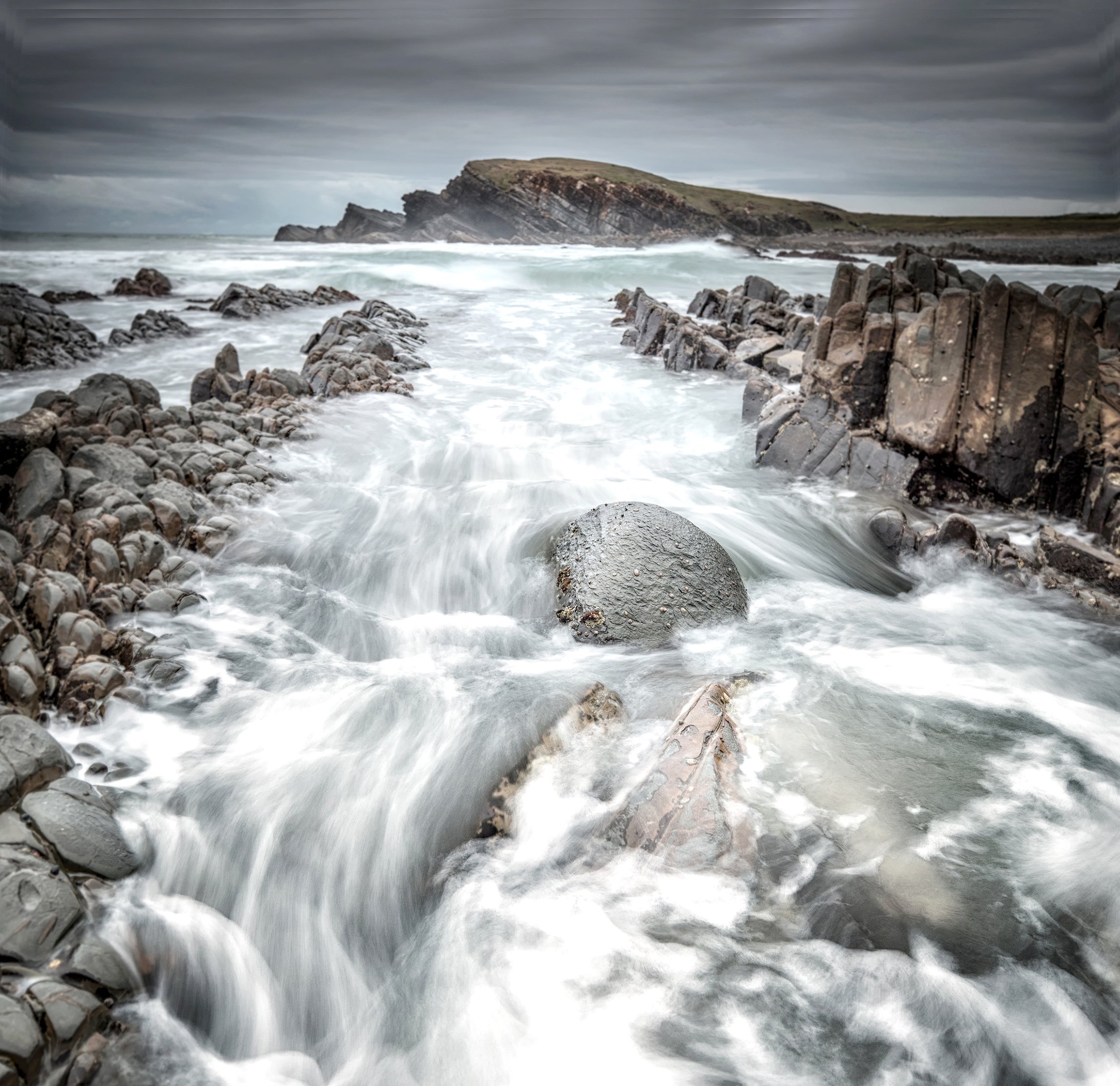
Working within structure — learning to refine skill and intention.
When I first started with landscape photography, I entered various competitions and played by the rules — making sure everything ticked the right boxes. At the time, I was very much in a competition mindset.
And to be clear, that stage was valuable. It gave me structure, focus, and a solid learning curve. I learned how to refine my work, pay attention to detail, and understand what was being asked of me.
Over time, I found myself drifting toward the creative categories. They felt more open, more interesting — a little less rigid. But even then, I was still creating to rules, just different ones.
Wanting to be more competitive also pushed me to lift my Photoshop skills. I wanted my images to stand up technically, and that meant learning how to process with intention and control. That phase became a blend of both worlds: creating images for competition while also fine-tuning my skills through experimentation.
But eventually, something shifted.
I stepped away from competition altogether. Not because it was wrong — but because I realised I wanted to create without measuring my work against a rule set or outcome.
That freedom — creating purely from imagination — was incredibly liberating. My work took on a different meaning. It became less about ticking boxes and more about expression, mood, and curiosity.
And interestingly, my skills didn’t stall. They deepened.
Creating for Yourself Changes the Way You Learn
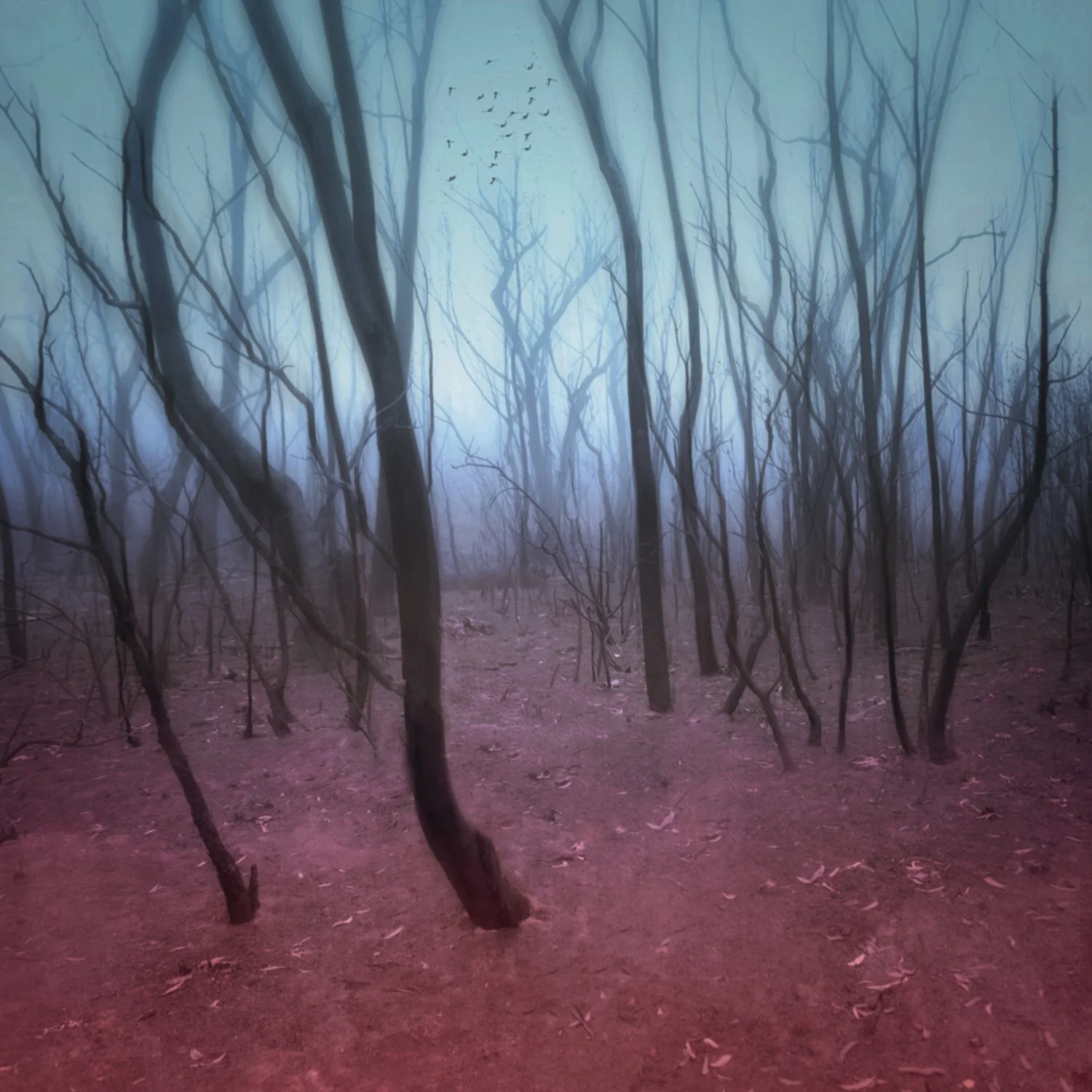
An image created with my imagination rather than outcome.
When you create for yourself, the pressure lifts. There’s no judging panel. No rulebook. No need to justify your choices. In that space, you allow yourself to:
Experiment without needing a polished outcome
Explore techniques simply to see what happens
Combine elements, textures, composites, or tools freely
Make mistakes that turn into learning moments
This is where creative confidence grows — not from being correct, but from being curious.
Imagination Builds Skill — It Doesn’t Replace It
There’s a common misconception that using imagination somehow bypasses skill. In reality, it strengthens it. When you imagine freely, you’re constantly making visual decisions:
How light should fall
How colour affects mood
Where attention should sit
What feels balanced — and what doesn’t
These decisions sharpen your processing skills far more than following a formula ever could. You’re not just applying tools — you’re learning why you use them.
Imagination doesn’t dilute craft. It deepens it.
Why Personal Work Makes You a Better Editor
Some of the strongest growth I see happens when creatives work on projects that don’t have a brief attached.
When there are no rules to satisfy:
You start trusting your eye instead of checklists
You become more intentional with adjustments
You learn when to push — and when to pull back
You develop a visual voice rather than a “correct” look
That awareness carries into every other area of your work — including rule-based environments, if you choose to work within them.
It’s Not Either–Or — It’s About Choice
This isn’t about rejecting structure or guidelines altogether. It’s about knowing why you’re creating.
Ask yourself:
Am I creating this to meet a requirement — or to explore an idea?
Am I holding back because of a rule — or because I don’t feel permission?
Do I have a space where I create purely for myself?
If the answer to that last question is no, that’s worth paying attention to.
Creativity Needs Breathing Room
Rules don’t stifle creativity on their own — but living only within them can.
Your most meaningful growth will often come from the work no one else sets the brief for. The work that begins with curiosity rather than compliance.
Create for yourself first.
What Creating for Yourself Can Look Like
Example 1: Using an Image Without a Brief
A creative sits down to edit an image with no outcome in mind — no competition, no submission, no audience. They try a darker mood than usual, push contrast further than feels comfortable, then pull it back again.
Nothing about the image is “for” anything — and that’s the point.
Through that process, they learn more about tonal control, restraint, and intention than they would have by aiming for a technically correct result. The learning happens inside the experiment.
Example 2: Exploring Tools Without Justification
Instead of asking “Should I be using this tool?”, the question becomes “What happens if I do?”
Textures, composites, layered elements, or new techniques are explored simply to understand how they behave. Not everything works — and that’s valuable.
This kind of exploration builds confidence with tools, because decisions are made visually rather than defensively. Over time, the creative stops relying on rules and starts trusting their eye.
Example 3: Reworking an Image Just to See It Differently
An image that’s already “finished” is reopened — not to improve it, but to re-interpret it.
Maybe it becomes softer. Or darker. Or more expressive. Maybe it fails completely.
But in doing so, the creative strengthens their understanding of colour, mood, and processing flow. There’s no pressure to replace the original — just permission to explore an alternative direction.
That kind of play sharpens editing instincts in a way structured work rarely does.
Example 4: Creating Without Explaining Yourself
One of the biggest shifts happens when a creative no longer feels the need to explain why they’ve done something.
They make choices based on feel rather than justification. Light is shaped for mood, not correctness. Colour is adjusted because it feels right, not because it follows a guideline.
This is where a personal visual language starts to form — and where confidence quietly grows.
Why These Examples Matter
None of these scenarios reject structure or learning. They simply remove the pressure of permission.
By creating for yourself:
You practice decision-making, not compliance
You learn through doing, not approval
You improve processing skills organically
You develop trust in your creative instincts
And that trust carries into every other space you choose to create in.
Creativity Needs Breathing Room
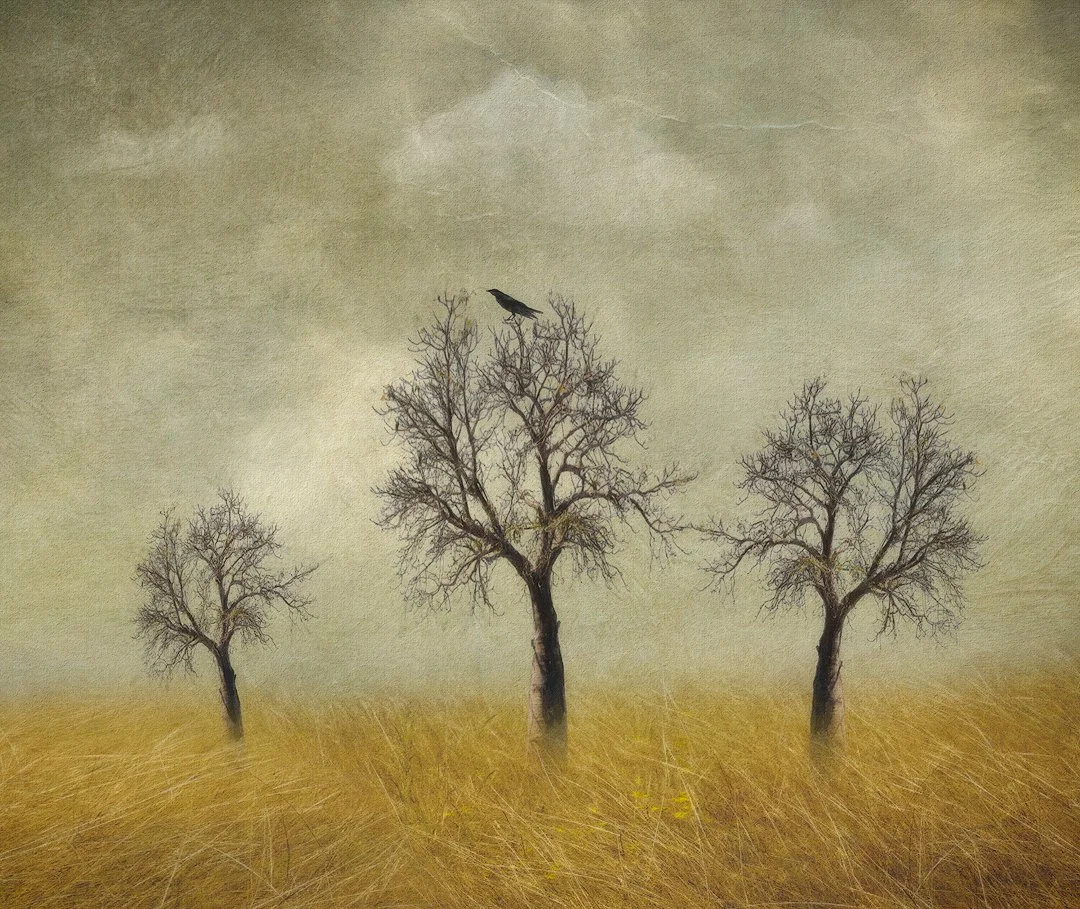
Storytelling the quiet space where creativity begins to listen.
Rules don’t stifle creativity on their own — but living only within them can.
When every creative decision is filtered through permission, approval, or outcomes, imagination slowly goes quiet. Not because it disappears — but because it doesn’t feel invited.
Some of the most meaningful growth happens in the work no one else sets the brief for. The work created without pressure, without justification, and without needing to fit a particular framework.
That doesn’t mean structure has no place. It means it doesn’t need to lead every time.
Creating for yourself gives you room to explore, to refine your eye, and to build confidence in your own decision-making. And that confidence carries with you — whether you’re working within guidelines, entering competitions, or simply creating for the joy of it.
So perhaps the question isn’t whether rules are good or bad.
It’s this:
Do you give yourself space to create without them?
Because that space — even a small one — can quietly change how you see your work, how you learn, and what you’re capable of creating.
Perhaps the most important thing we can do as creatives is give ourselves permission — permission to explore, to experiment, and to create without needing everything to fit or be justified.
That space is often where learning deepens, confidence grows, and creativity feels alive again.