Wanting to Create vs Needing to Create
If you enjoy exploring creativity, Photoshop and visual storytelling, you'll find more tutorials, articles and creative resources throughout my Learning Hub.
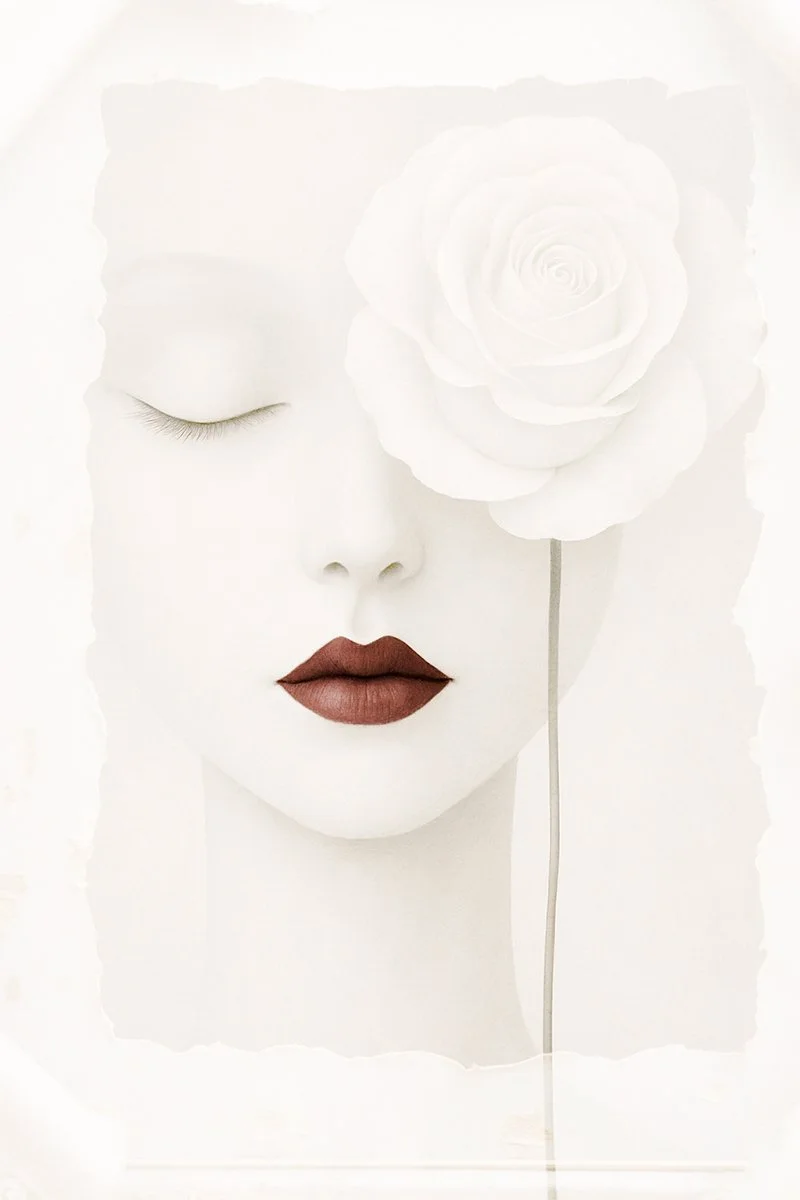
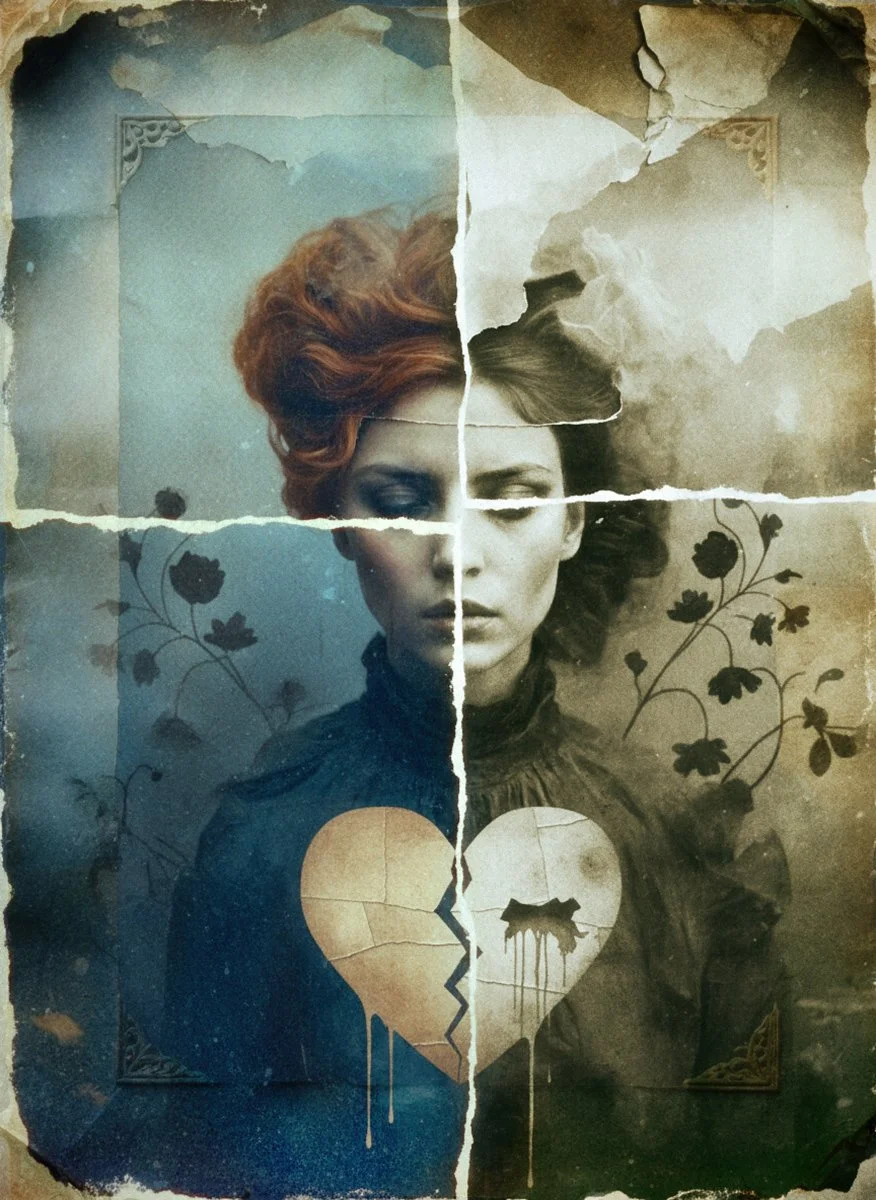
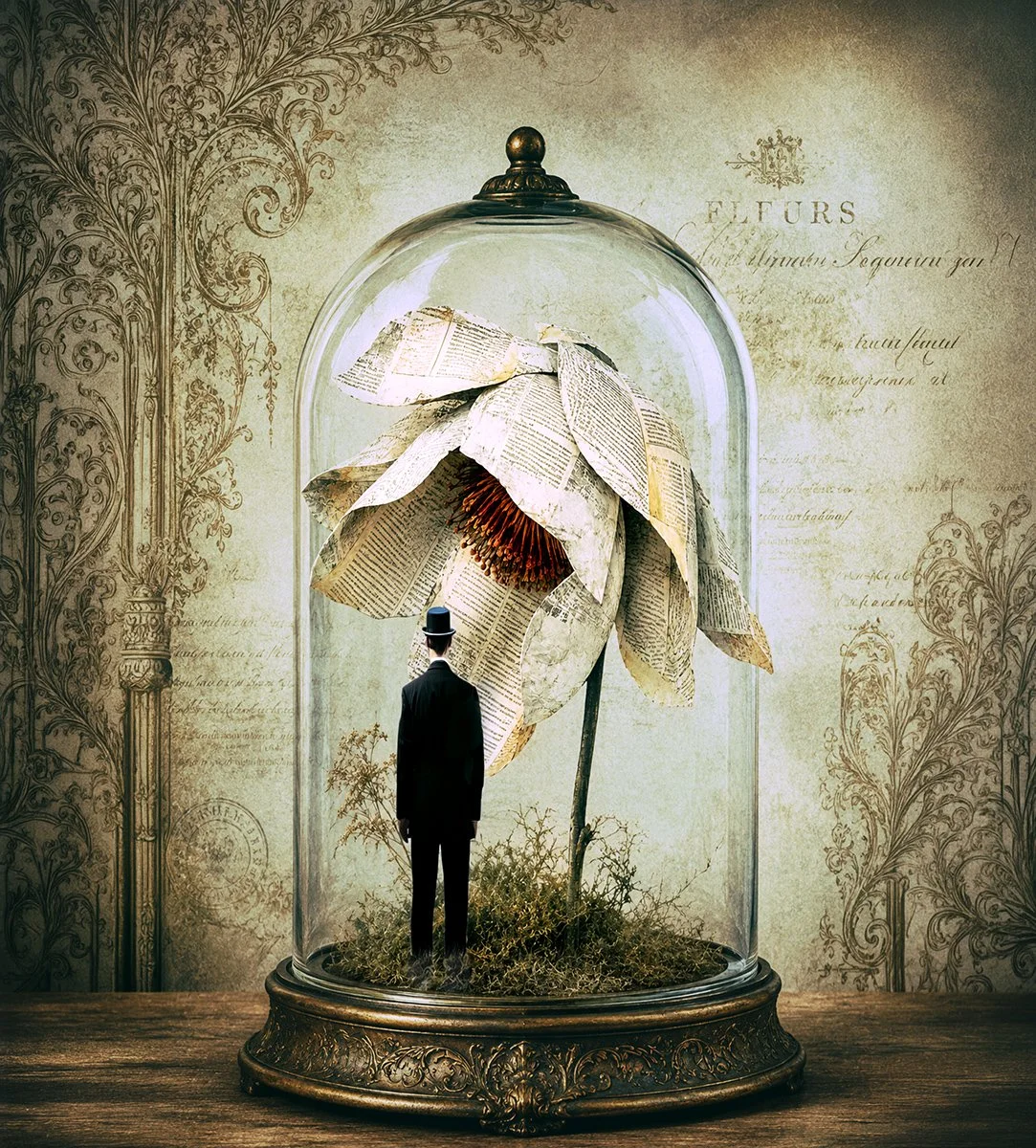
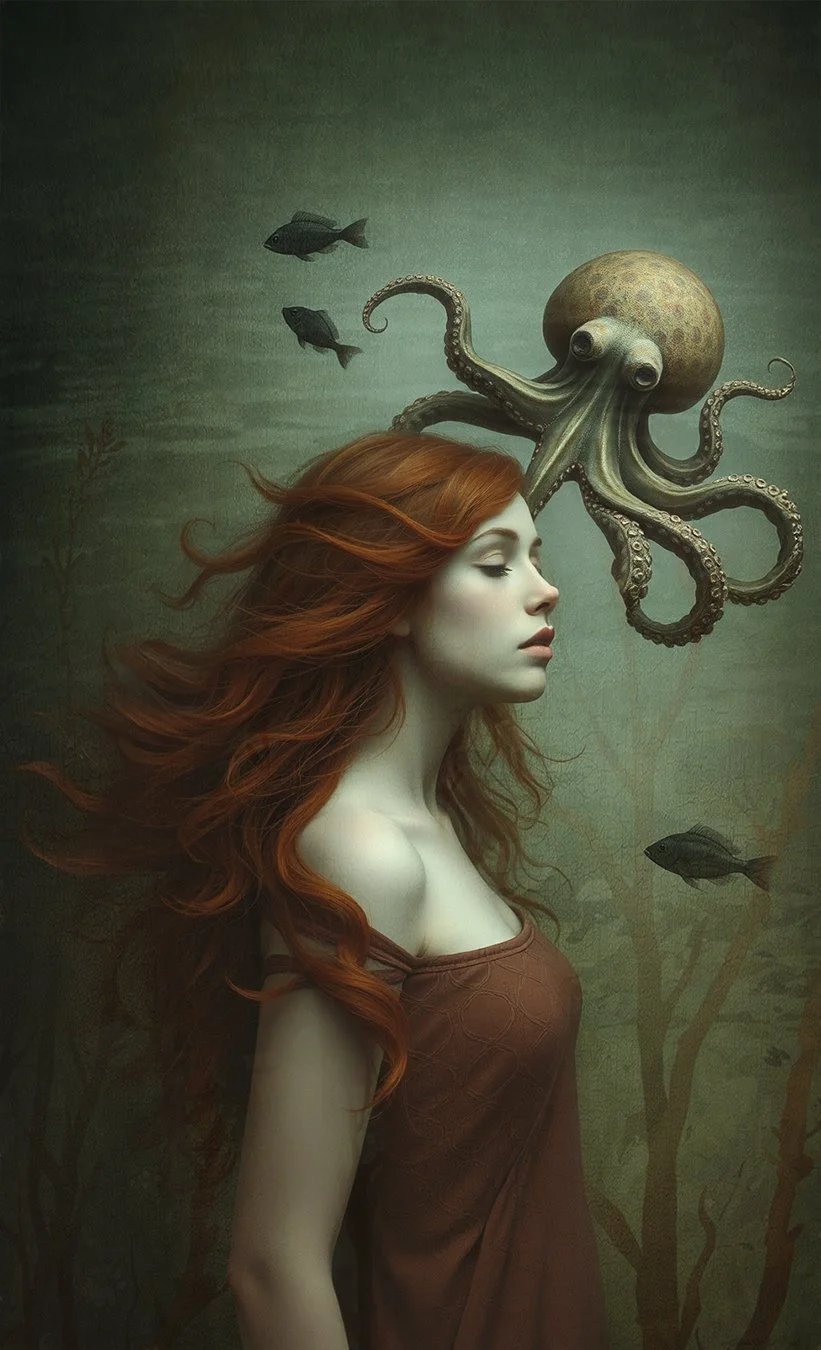
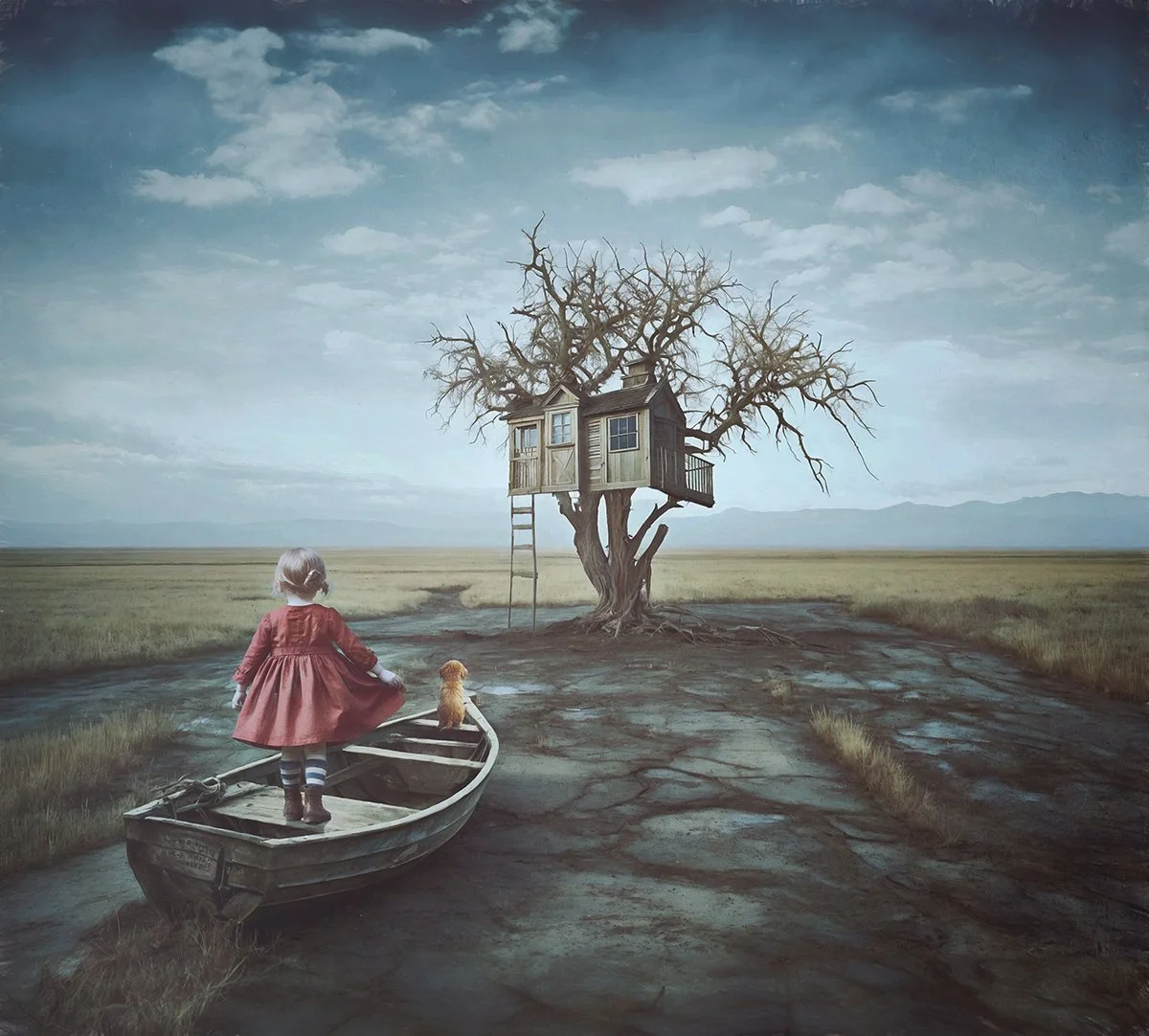
There’s wanting to create, and there’s needing to. I used to think they were the same thing. They’re not.
Wanting to create is the nice version. I’ve got some headspace, an idea forms, I sit down when it suits me. Needing to create is different. It shows up uninvited. It’s an inner voice that says time to create, and it’s not really asking.
The other day I felt it before I even knew what I wanted to make. I just knew I had to sit down and get something out.
I’ve learned not to question it when it happens. I used to wait until I had the “right” idea before I’d let myself start. Now I know some of my images exist purely because I needed to make something, not because I had a plan.
Sometimes I don’t even know what I’m going to create. I’ll open Photoshop, start looking at an image, a texture or a colour, and just begin moving things around. One thing leads to another. Quite often those unplanned pieces take me somewhere I wouldn’t have reached if I’d started with a finished idea in my head.
Turns out there’s real research behind this
I got curious about why that pull feels so strong, and it’s not just an artist thing, it’s a human thing.
A foundational composite tutorial that guides you through essential tools, practical techniques, and simple workflows. Build confidence, speed up your process, and develop the core skills every digital artist needs.
Some researchers argue the urge to create is wired into us, not something layered on top. Evolutionary psychologists have pointed to art turning up in every human culture throughout history as evidence it’s a fundamental part of how we’re built, not a luxury.
There’s a physical and emotional side to it too. More recent research has continued to explore what happens when we make art, including digitally. A 2026 study comparing traditional art materials with creating on a digital tablet found that 45 minutes of art-making significantly reduced anxiety in both groups. Interestingly, the digital and traditional approaches produced similar emotional benefits.
Research into creativity and the brain is also beginning to give us a better understanding of why making something can change how we feel. A 2024 review found evidence linking creative arts with neural systems involved in emotional regulation. There’s still plenty researchers don’t know, but what I find interesting is that science is beginning to put some explanation around something creatives have probably recognised for a very long time
What that actually looks like for me
It’s not always a big emotional moment. Sometimes it’s restlessness. Sometimes it’s a feeling I can’t name until it’s on the screen in front of me.
I’ll open Photoshop with nothing specific in mind, just the pull to be in there, making decisions, moving things around until something feels right.
Photoshop has been my creative tool for many years. I use it to teach, experiment and problem-solve, but it’s also where much of my own creative work begins. As an Adobe Community Expert, I spend a lot of time helping others understand what Photoshop can do, but for me its real value has always been what it allows me to create.
That’s different to when I’m wanting to create, when I usually have a reference in mind, a technique I’m testing, or a class I’m building toward. There’s intention from the start. When I need to create, the intention shows up during, not before.
I don’t think everyone will relate to this. Some people create purely on schedule, purely on plan, and that works for them.
But if you’ve ever felt that inner voice, the one that shows up before you know what you’re making, it turns out there’s a good reason for it, and you’re not imagining it.
Continue Exploring
If you enjoyed this article, you might also like: