How I Found My Creative Freedom
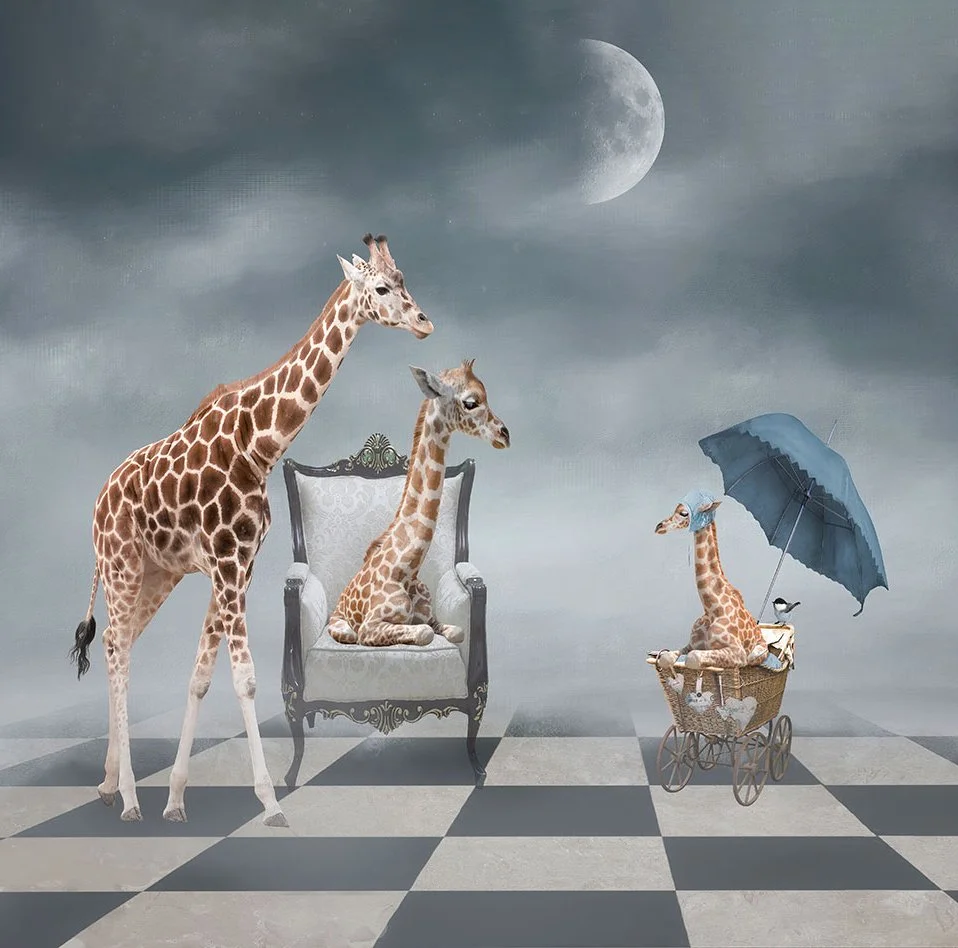
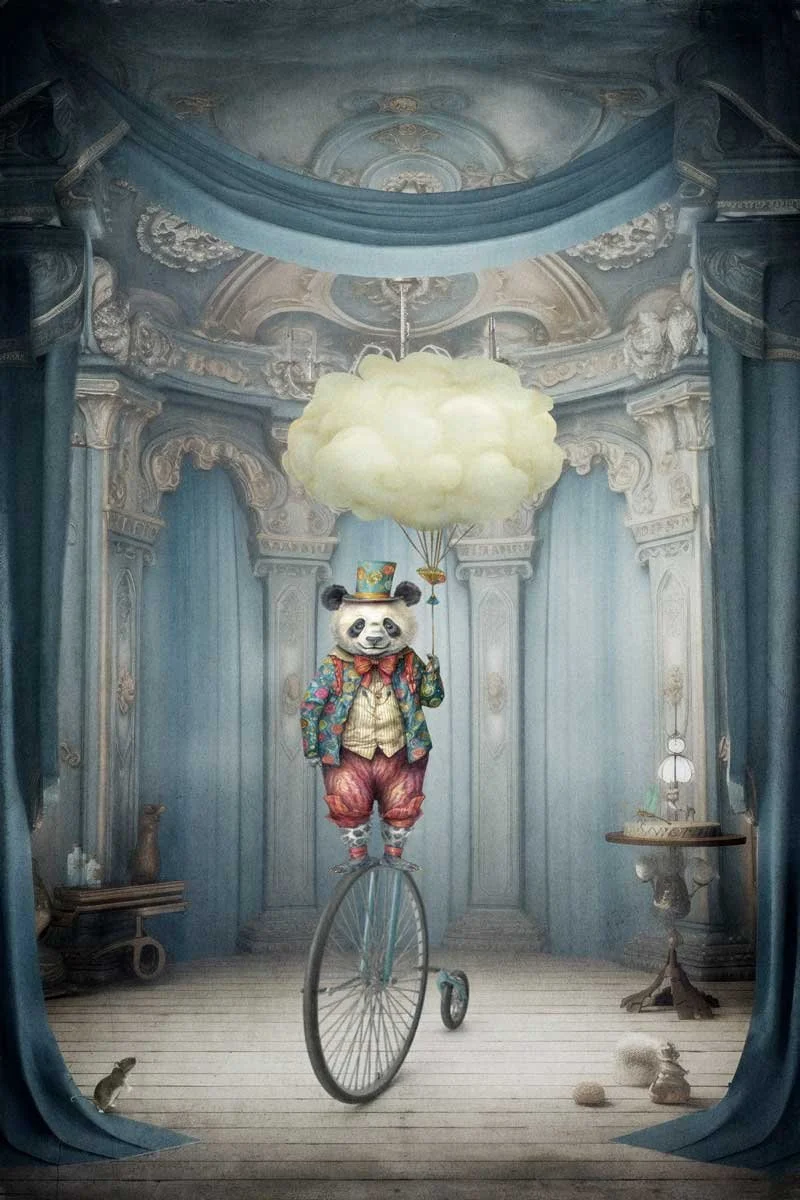
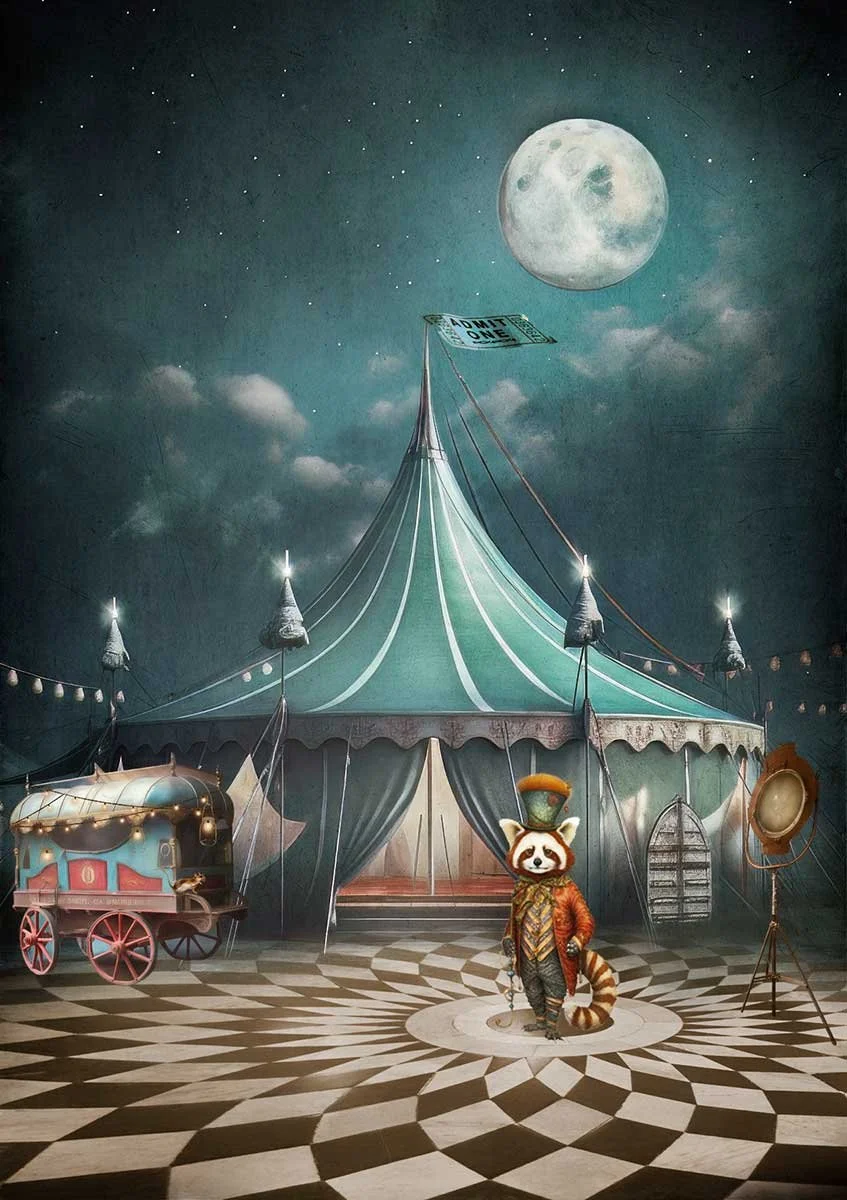
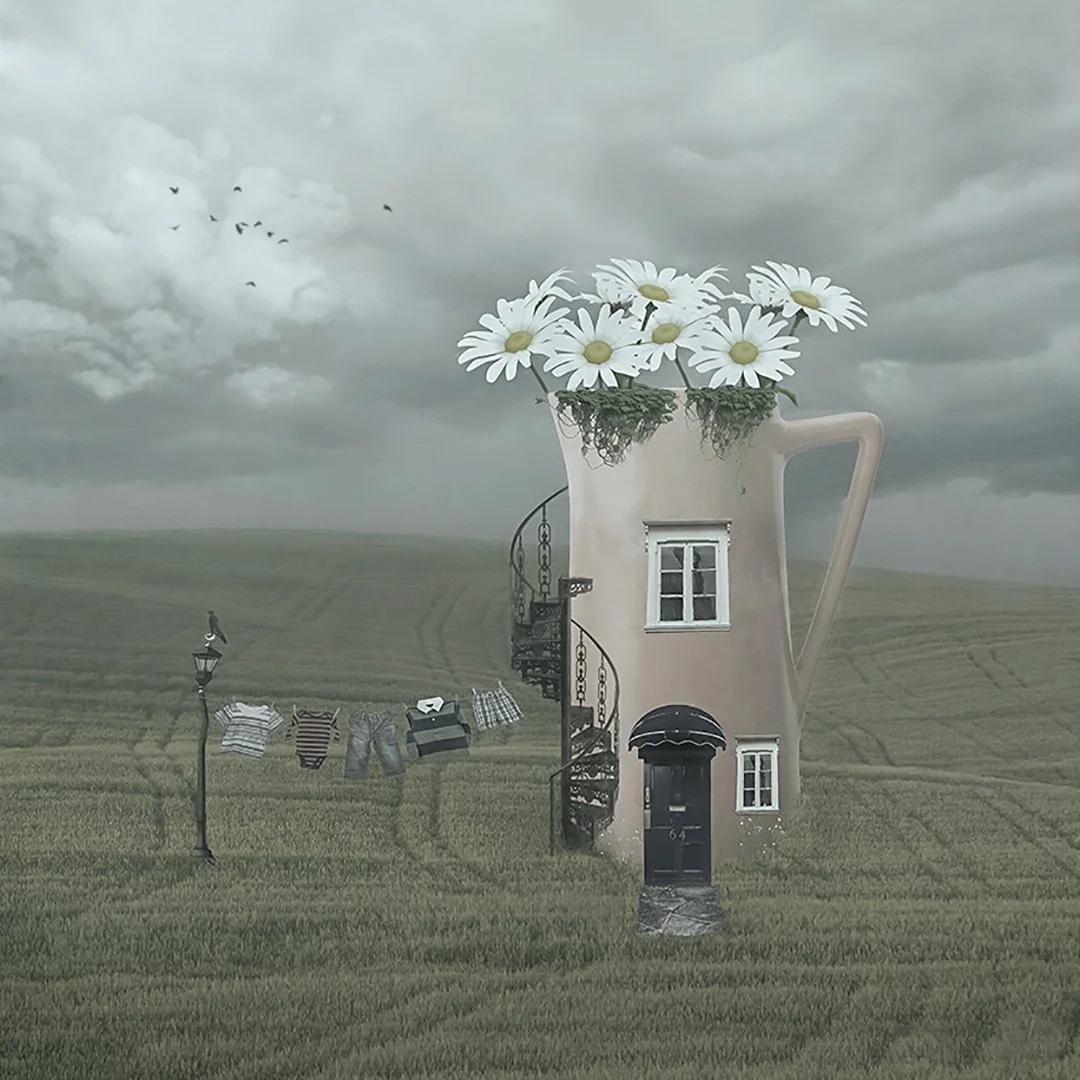
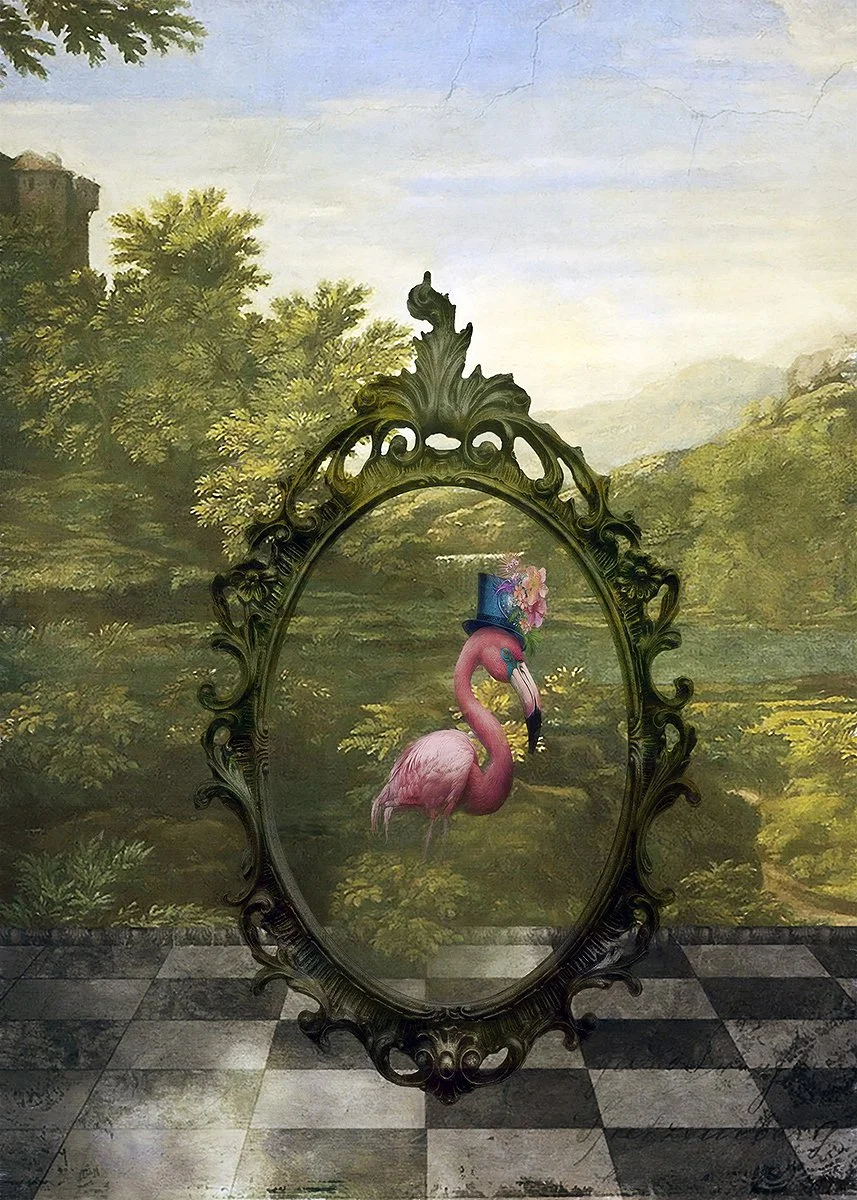
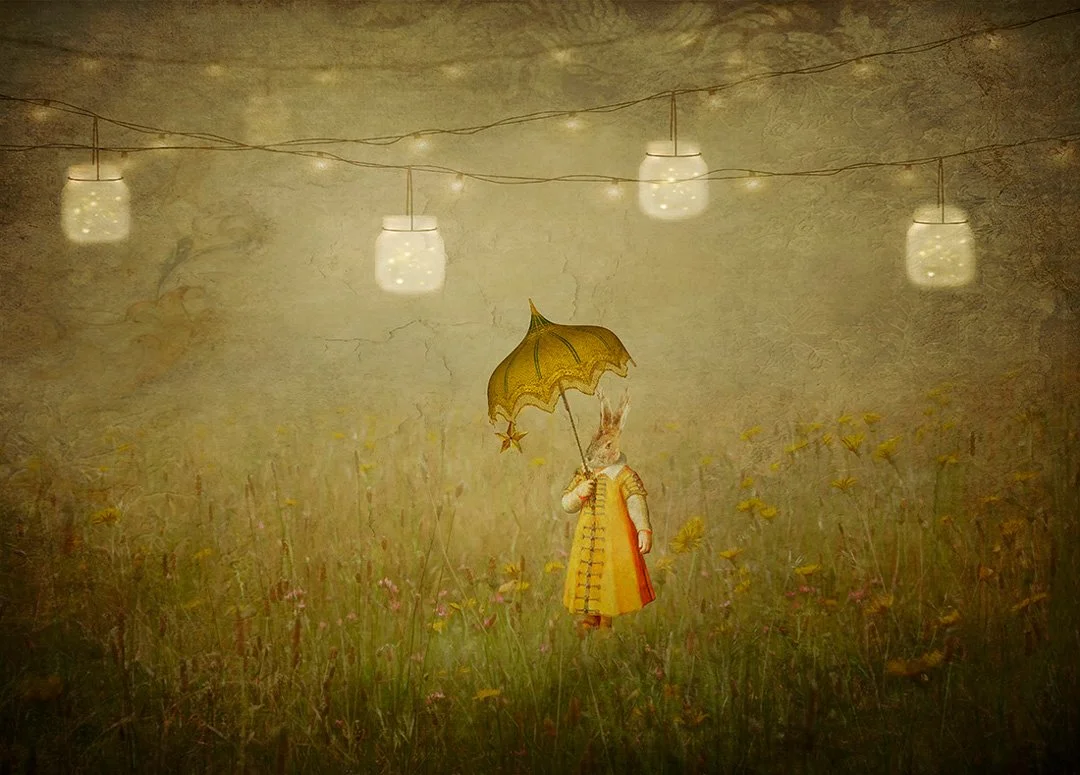
My creativity opened up when I stopped creating to rules. Curious how I develop that style? Grab the ebook here.
Where It Started
When I started creating composite imagery I worked exclusively with my own photographs. So everything I made was limited to what I could physically go out and shoot. And for a while that was fine. But my ideas kept evolving and the images in my head were getting harder and harder to photograph.
My work had been drifting toward something more whimsical and emotionally driven. Scenes and stories that existed in my imagination rather than in the real world. A soft muted palette, quiet narratives, characters and worlds you couldn't find down the road with a camera. Photography is a wonderful thing but it anchors you to reality. And I was slowly realising that reality wasn't quite where I wanted to be creatively.
Filling the Gaps
So I started filling the gaps another way. I was creating images with some of my own photography and buying elements, objects etc to top up my creative stash. Things that would give me what my camera couldn't. Most people don't realise this is something compositors do, but there's a whole world of purchased creative assets behind the scenes of a lot of composite work. I was constantly hunting for that specific thing, the right element, the right mood, the right piece that would make an image work. It was worth it, as it opened up another world for me.
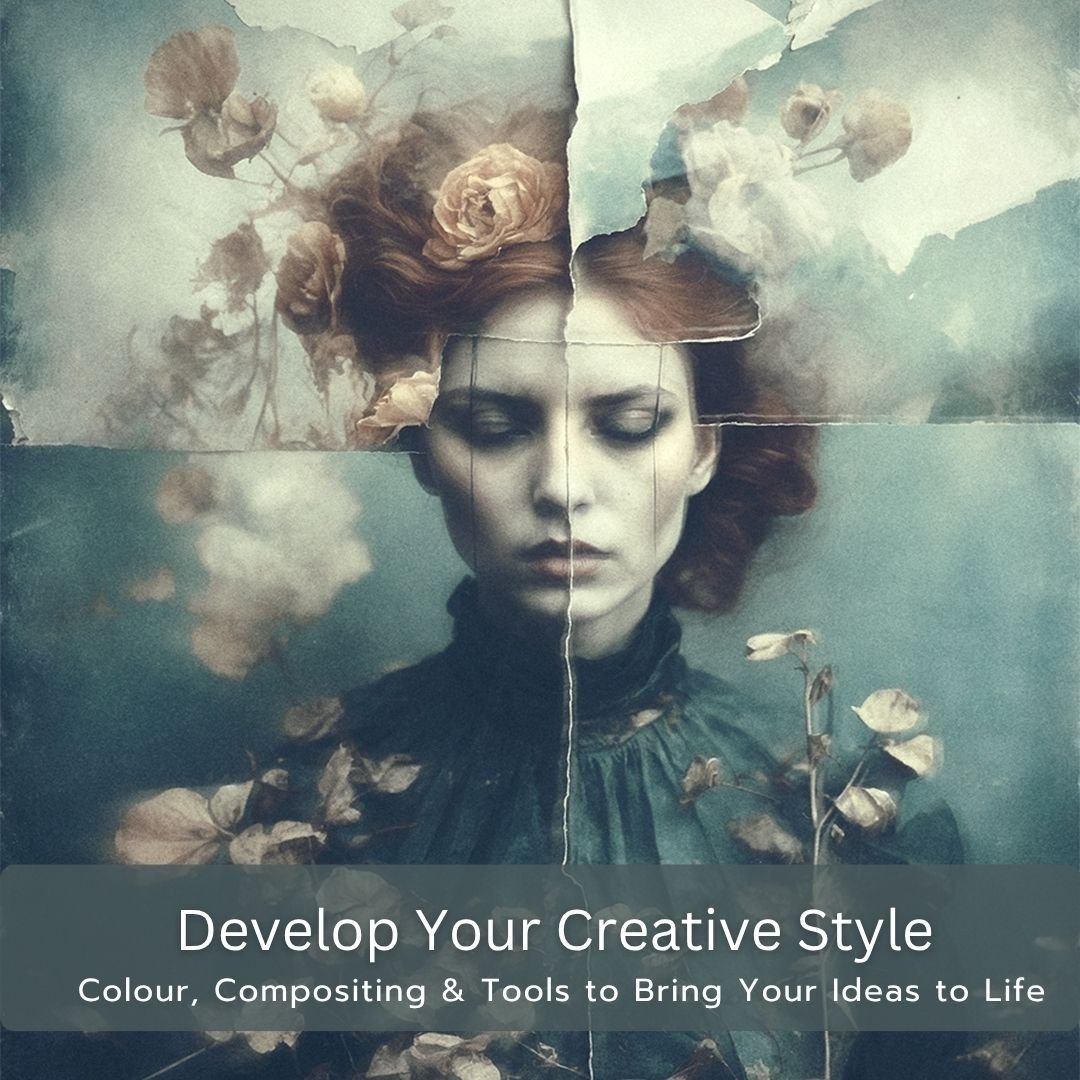
Exploring composite art, colour, and creativity in the age of AI
This ebook is a thoughtful guide for creatives who want to better understand why images work — not just how to edit them. Rather than focusing on software steps or presets, this guide focuses on the thinking behind composite art, colour choices, and creative decision-making.
Inside, you’ll explore:
The foundations of composite art and visual storytelling
How colour influences mood, meaning, and cohesion
Ways to develop stronger creative judgement and confidence
How to approach AI as a creative tool, not a replacement for vision
This ebook is not tied to any specific software and is designed to complement your existing workflow — whether you work in Photoshop, experiment with AI imagery, or combine both.
Ideal for creatives who want to slow down, think more intentionally, and build images with clarity and purpose.
Then I stumbled across a program called Pixel Squid, long before AI came along. It's a library of 3D rendered objects you can position and use as elements in a composite. At the time it felt like another world of imagination had opened up. Here were elements that didn't need to be photographed at all, rendered objects I could actually rotate. Looking back, that was the clearest sign yet of what I was really searching for. I didn't have the words for it then, but every purchase, every workaround, every new tool I tried was me pushing against the same ceiling. I needed creative freedom. The ability to source exactly what my imagination needed rather than making do with what already existed.
When Everything Changed
AI generation gave me that, completely and without limits. I use Leonardo AI and Firefly to generate my raw material. A background with exactly the right mood and light. A character or element that doesn't exist in the real world. A scene that lives entirely in my imagination. Sometimes I know exactly what I need and I generate toward that. Sometimes I have a feeling and I explore until I find it. What I'm building is a creative stash of material made specifically for the image I have in my head. Not sourced, not purchased, not compromised. Created.
And then I take it all into Photoshop, which is where the real work happens.
The Craft Stays the Same
Everything I do in Photoshop is exactly what I've always done. Cutting out elements, masking, blending edges, matching light and colour, colour grading the whole piece until it feels like one unified story. The same techniques, the same eye, the same decisions about how to make everything feel like it belongs together. Nothing about that part changed.
What I Call It
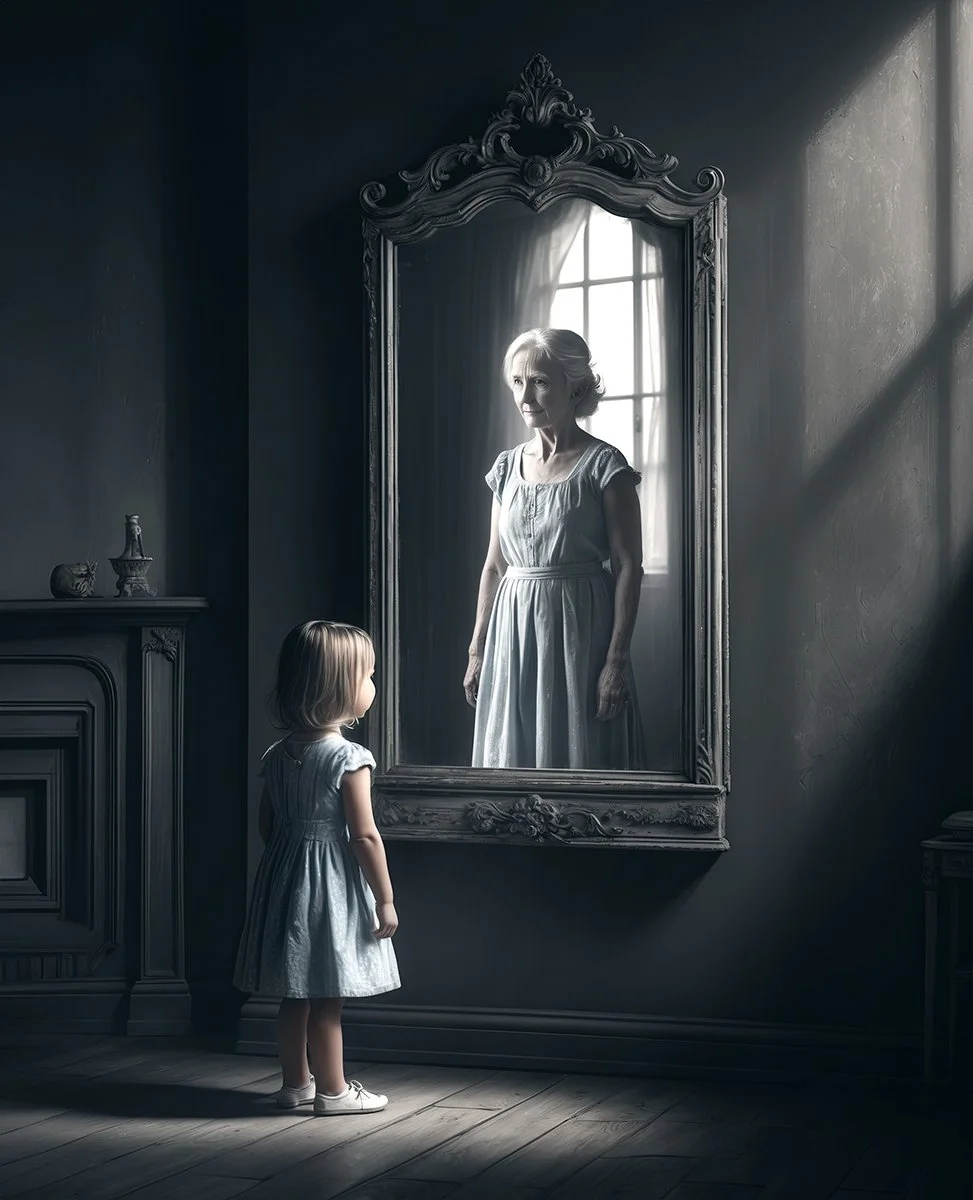
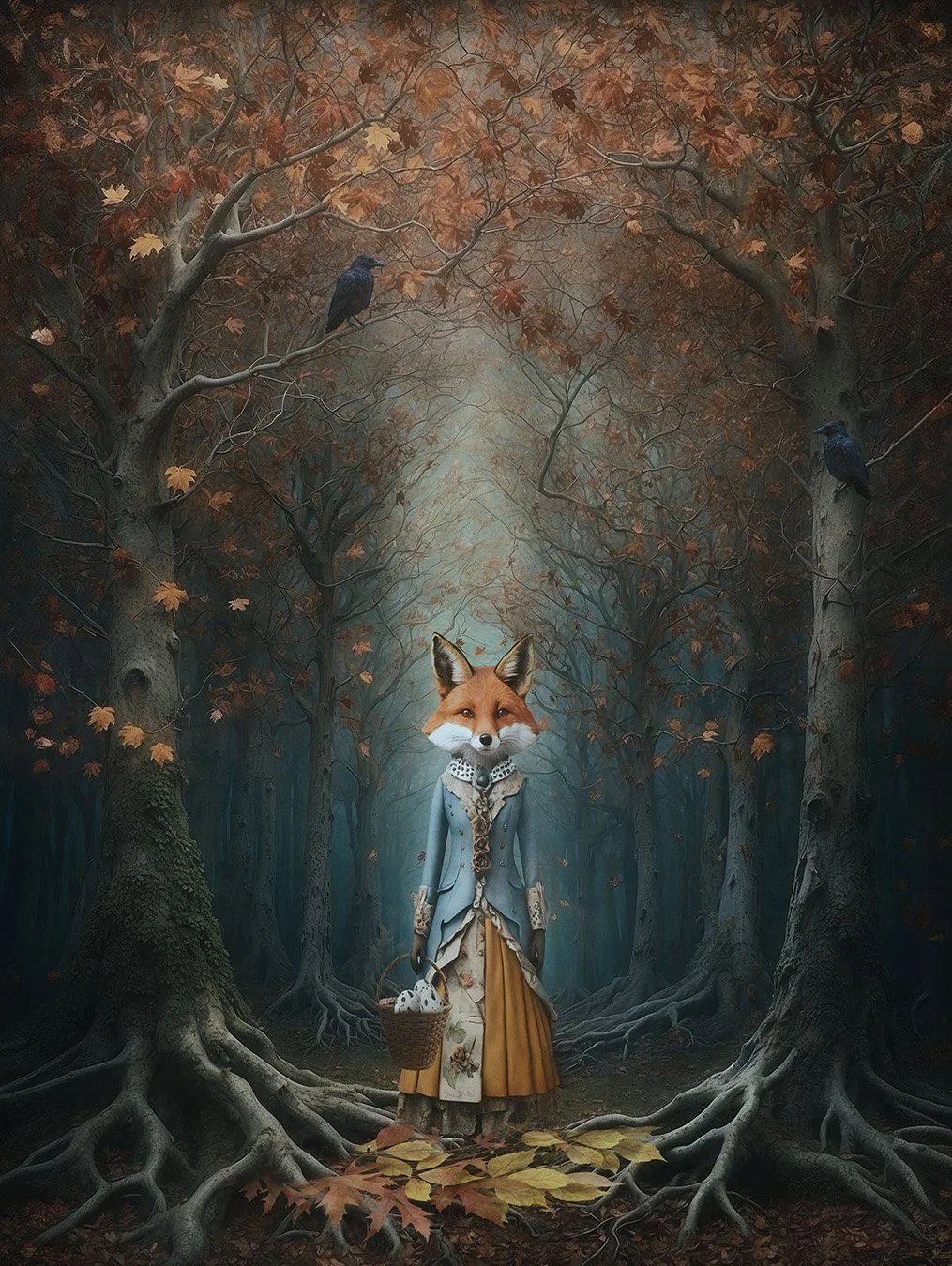
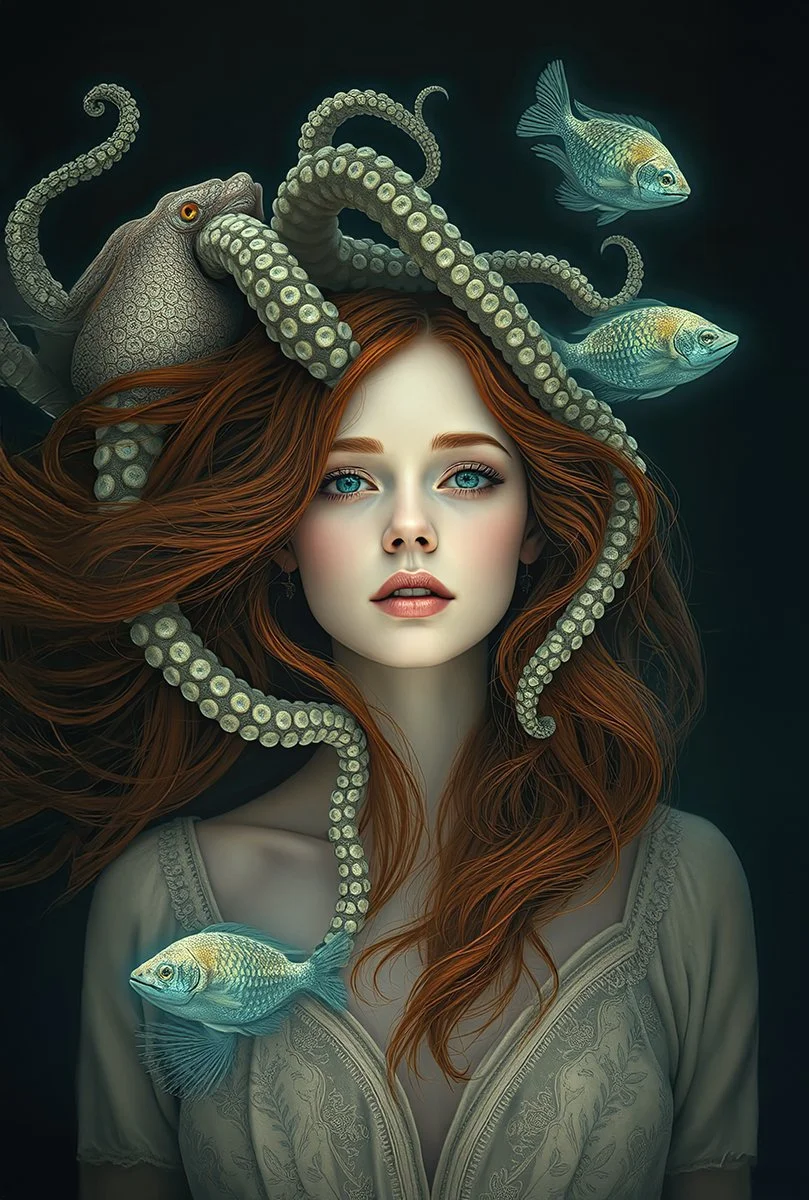
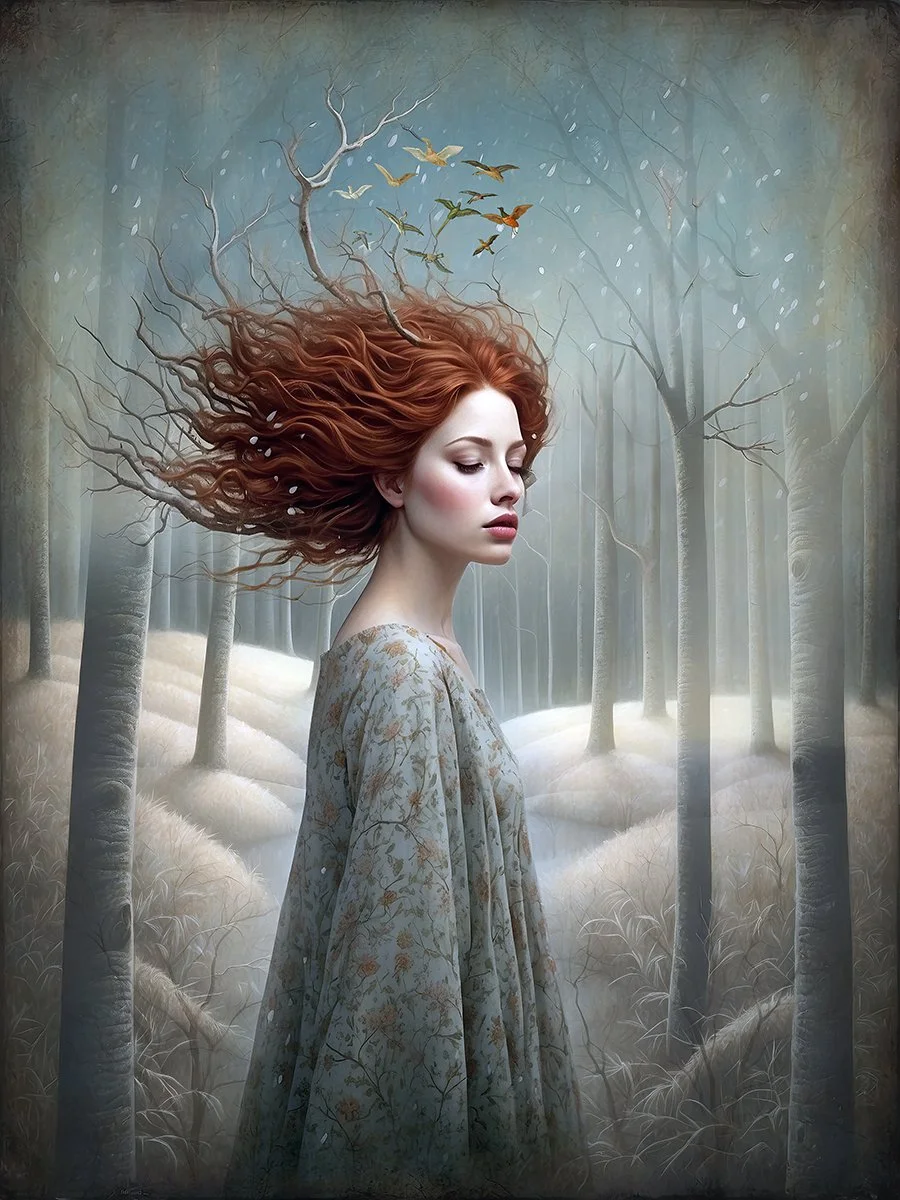
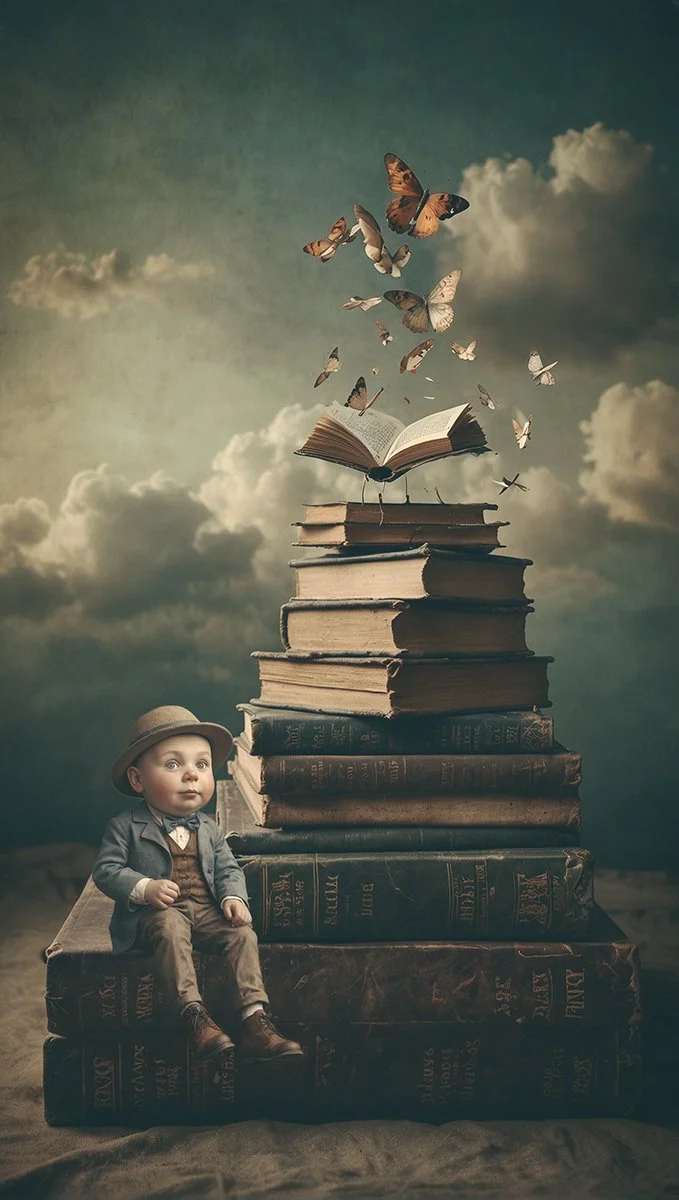
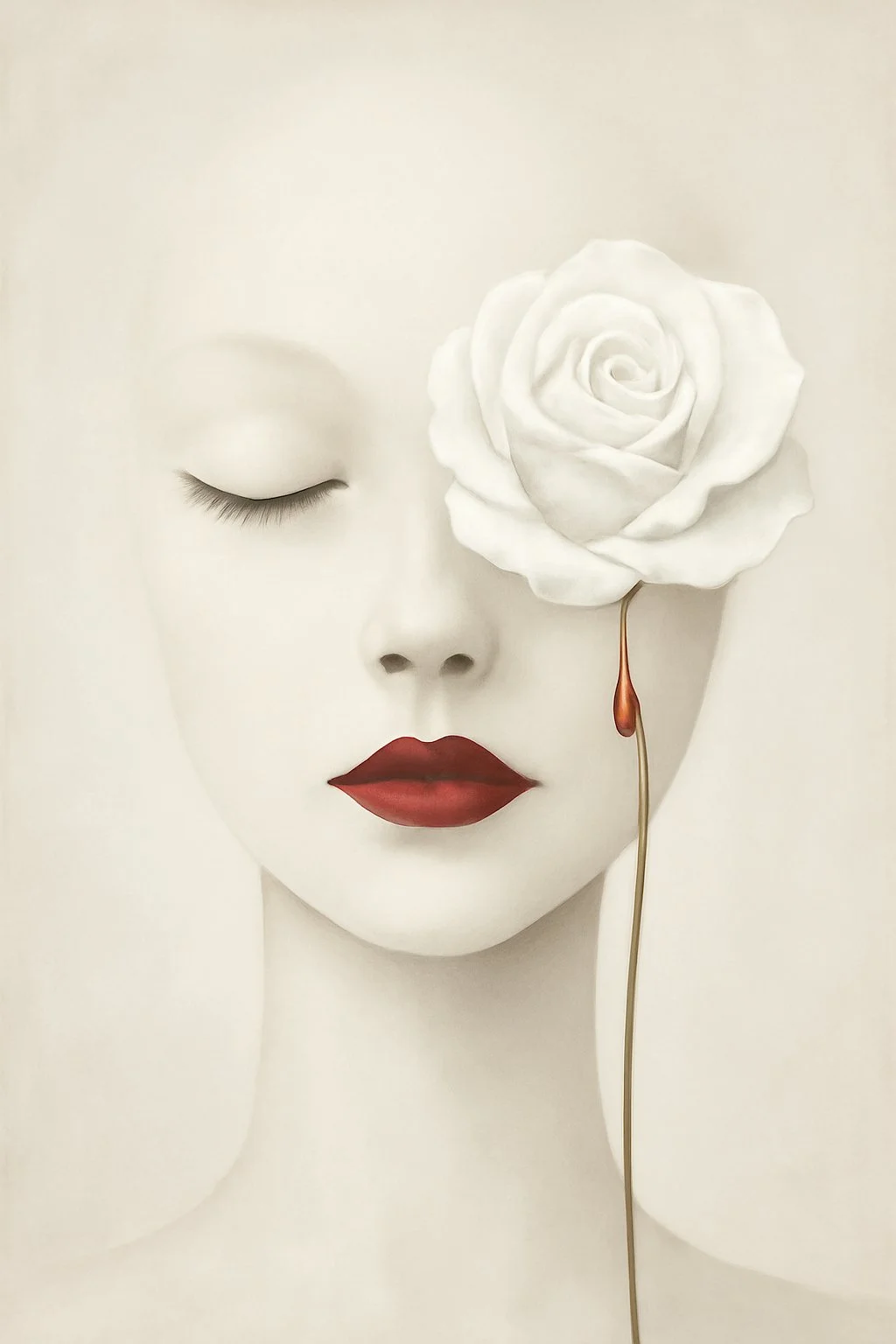
What I create I call AI Composite Imagery. It's not an AI generated image, an AI generated image is what comes straight out of the generator. AI Composite Imagery is what happens when you take those generated pieces and build something intentional in Photoshop. The craft is still the craft.
AI generation didn't change what I do. It removed the ceiling on what I could imagine.
The whimsy, the emotion, the quiet storytelling I'd been chasing for years was suddenly possible because I was no longer waiting for reality to cooperate. My images could finally catch up with my imagination.
And that's why I made the move.
Your Creative Choice
Creativity is personal. How you choose to express it, the tools you reach for, the worlds you build, that's yours to decide. Not what others think it should look like, not what the rules say it has to be. Mine just happens to live somewhere between a Leonardo AI generation and a Photoshop file, and I wouldn't have it any other way.
You may like this blog for further reading